
Alesis 3630
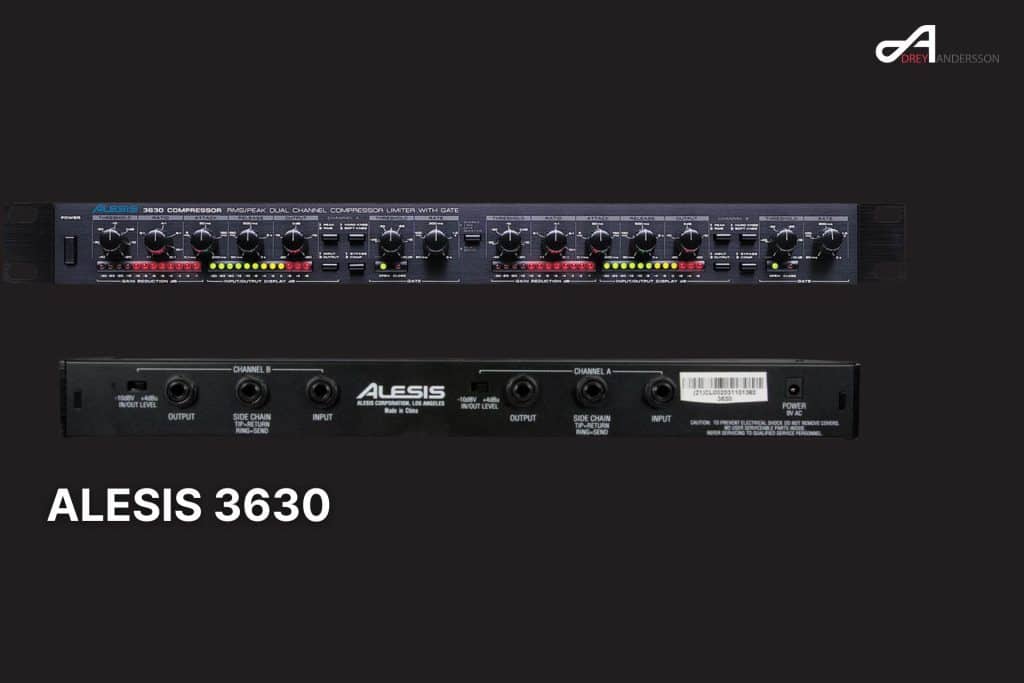
The Alesis 3630 dual-channel compressor occupies a unique position in music history as both one of the most criticized budget compressors ever made and simultaneously one of the most culturally influential pieces of studio equipment of the 1990s. This $300 compressor became the secret weapon behind Daft Punk’s seminal albums Homework and Discovery, defining the pumping, aggressive compression sound that became synonymous with French house music.
Boss SE50
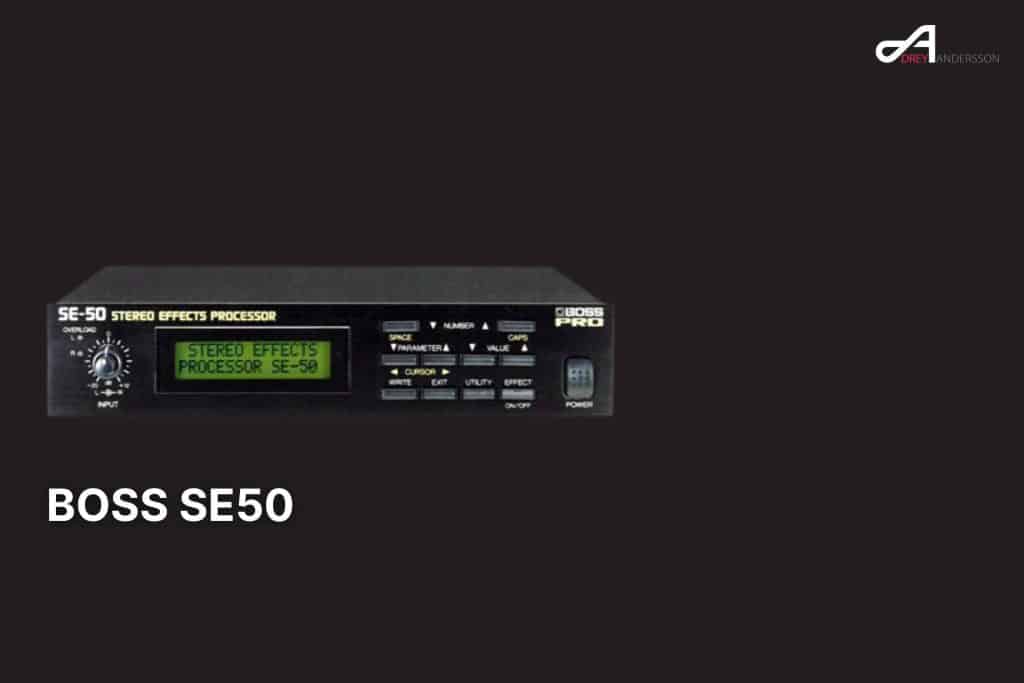
The Boss SE50 Stereo Effects Processor stands as one of the most influential and beloved vintage effects units of the 1990s, earning its reputation as the “Swiss Army Knife of multi-effects” through a combination of distinctive sonic character, innovative design, and remarkable versatility in a compact format.
Boss Sx700
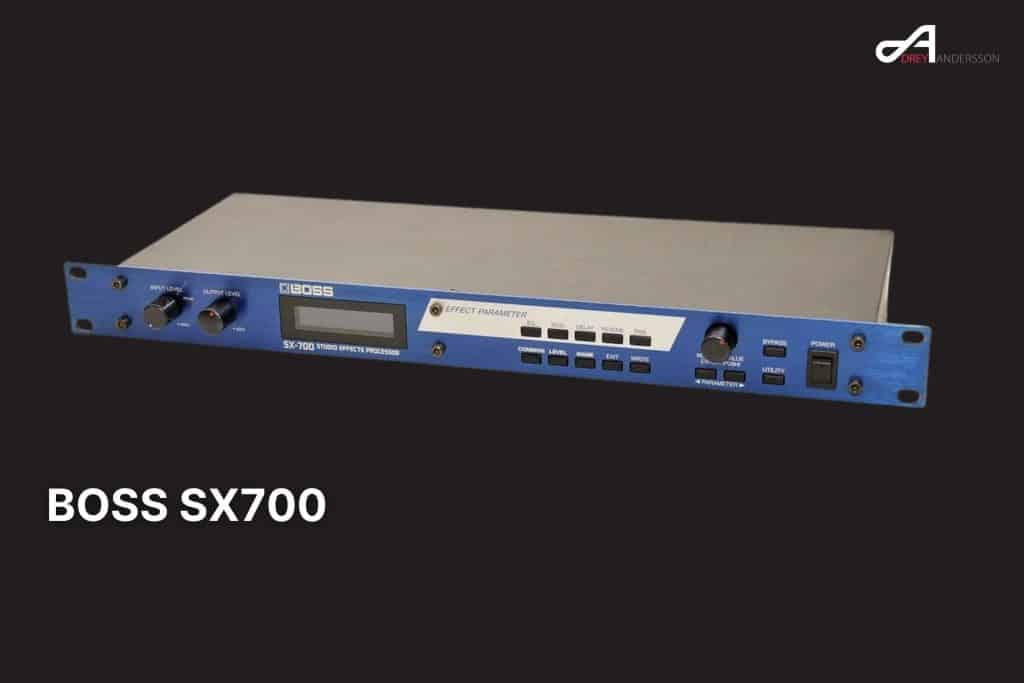
The Boss SX700 Studio Effects Processor stands as one of the most significant achievements in 1990s audio technology – a revolutionary 1U rack unit that fundamentally changed the landscape of affordable professional effects processing. Released in 1996 during the height of the digital audio revolution, this unassuming black box delivered groundbreaking spatial audio capabilities and professional-grade sound quality at a price point that democratized advanced studio effects for an entire generation of producers, engineers, and musicians.
Fostex X-28H
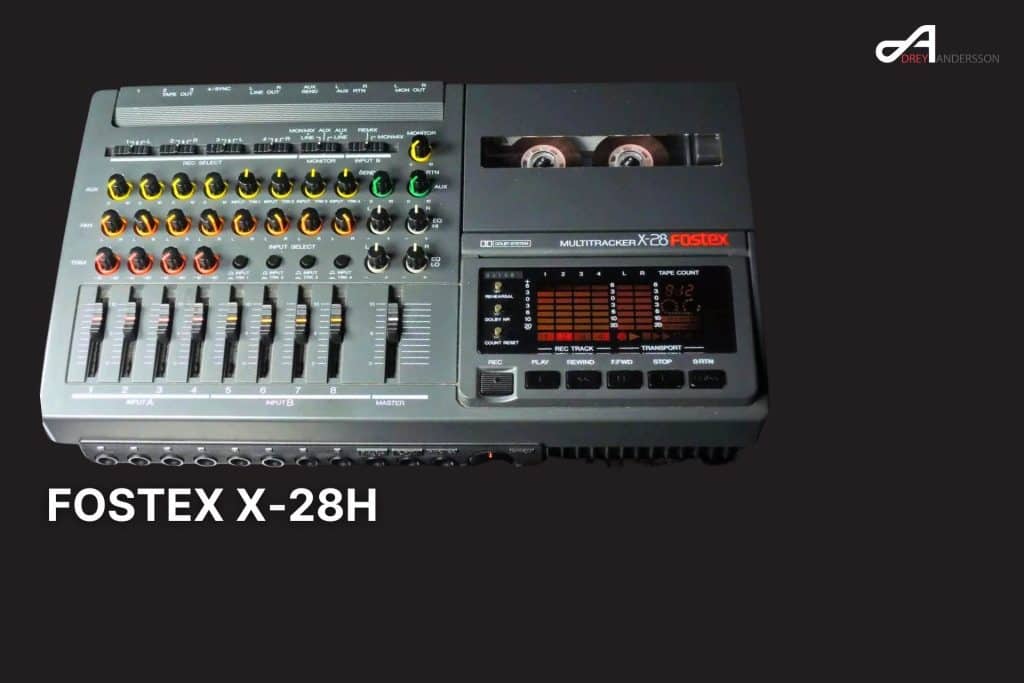
The Fostex X-28H, released in the early 1990s, represents one of the most technically sophisticated yet commercially overlooked cassette multitrackers ever produced—and it’s precisely this obscurity that makes it so compelling for modern producers seeking authentic vintage character.
Kawai K5000
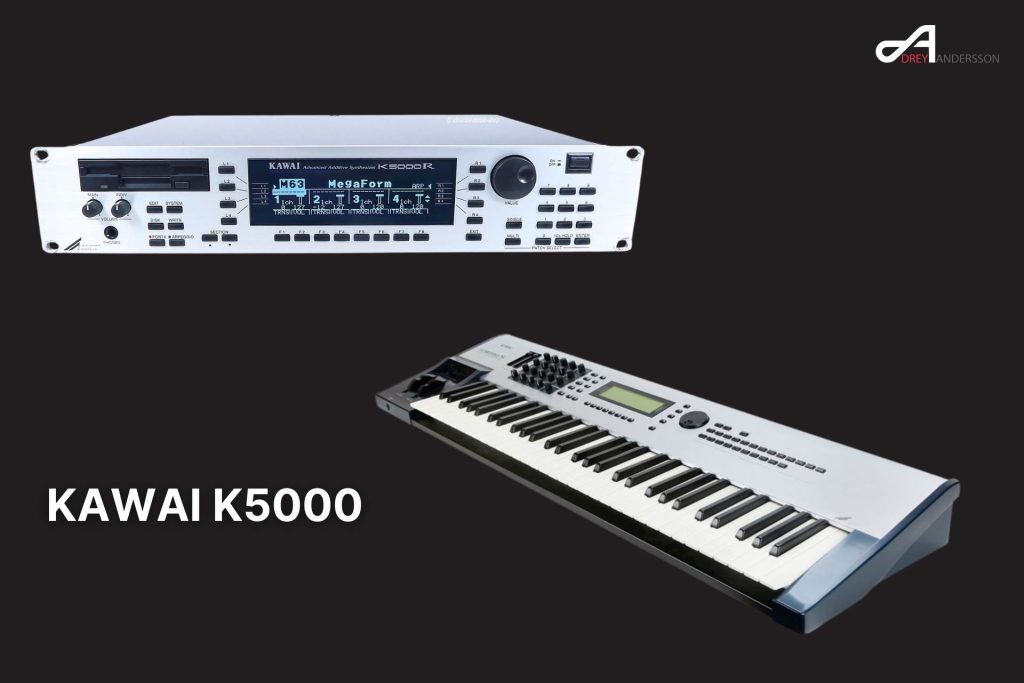
The K5000 emerged in 1996 as Kawai’s answer to the sample-based synthesis revolution, taking a radically different approach by building complex sounds from individual harmonic components rather than manipulating pre-recorded samples. While competitors focused on realistic instrument recreation, Kawai offered unlimited sound design potential through mathematical precision—a philosophy that modern software synthesizers like Vertigo have refined and made accessible to today’s producers.
Kurzweil PC1X
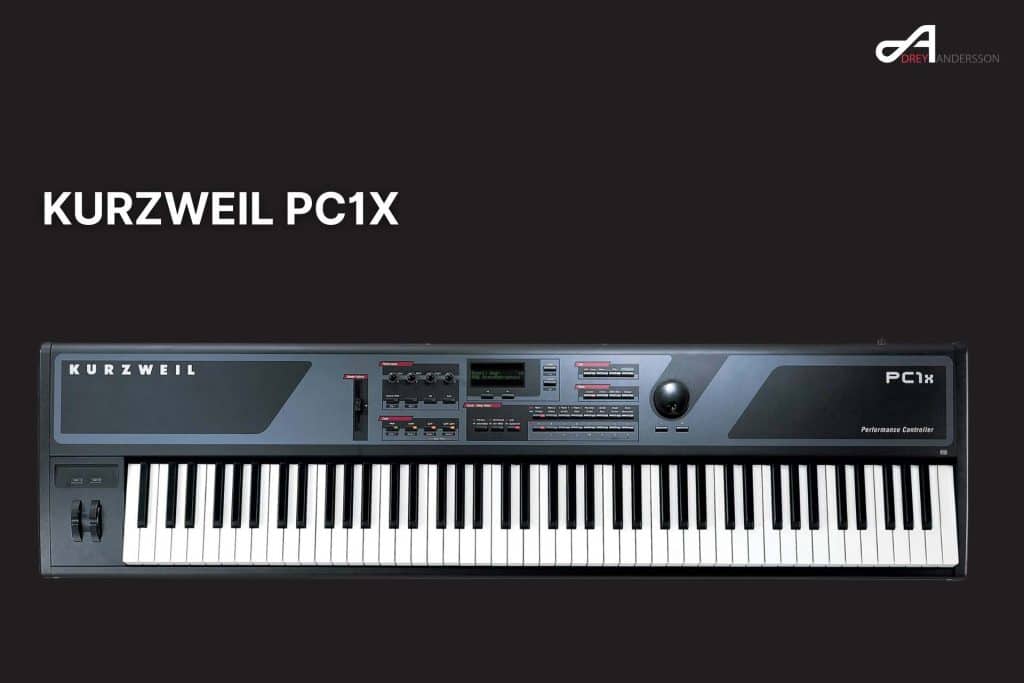
The PC1X is a performance controller keyboard by Kurzweil. It is designed to offer the same award-winning sounds and superior audio quality as Kurzweil’s PC2 Series, but at a more affordable price. The PC1X comes with an 88-note weighted action and 512 onboard programs, including Kurzweil’s acclaimed Orchestral ROM expansion and full GM 1 compatibility. It also has an expansion slot for Kurzweil’s new Classic Keys ROM Soundblock. The PC1X features a dual effects processor (based on KDFX), an arpeggiator, and intelligent MIDI implementation. It has a 64 voice polyphony, dynamically allocated, and is 16 parts multitimbral. The keyboard also includes 128 user programmable MIDI setups, each with 4 independent zones, effects, and arpeggiator settings. The PC1X’s excellent sound is complemented by a dual effects processor, offering a wide range of effects including 58 reverbs, 6 delays, 10 choruses, 6 flangers, 3 phasors, 4 shapers, 2 enhancers, 8 filtered effects, 4 distortions, 1 mono>stereo, 3 wide stereo, 4 compressors, 2 panners, 7 rotarys, stereo tremolo, and 44 combination effects chains utilizing Kurzweil’s unique Laserverb. The PC1X is also equipped with a variety of controllers, including a pitch wheel, modulation wheel, 4 front panel knobs, 4 front panel switches (momentary or toggle, software selectable), 1 continuous control pedal inputs, 1 dual footswitch input, mono pressure, and Super Ribbon input.
Waldorf Microwave XT

The Waldorf Microwave XT represents a pinnacle in digital wavetable synthesis, emerging in the late 1990s as a powerful evolution of Waldorf’s Wavetable Synthesis technology. This rack-mounted powerhouse, instantly recognizable by its distinctive orange (or black) housing, revolutionized the approach to digital sound design through its comprehensive hands-on control interface.
Yamaha Rev500
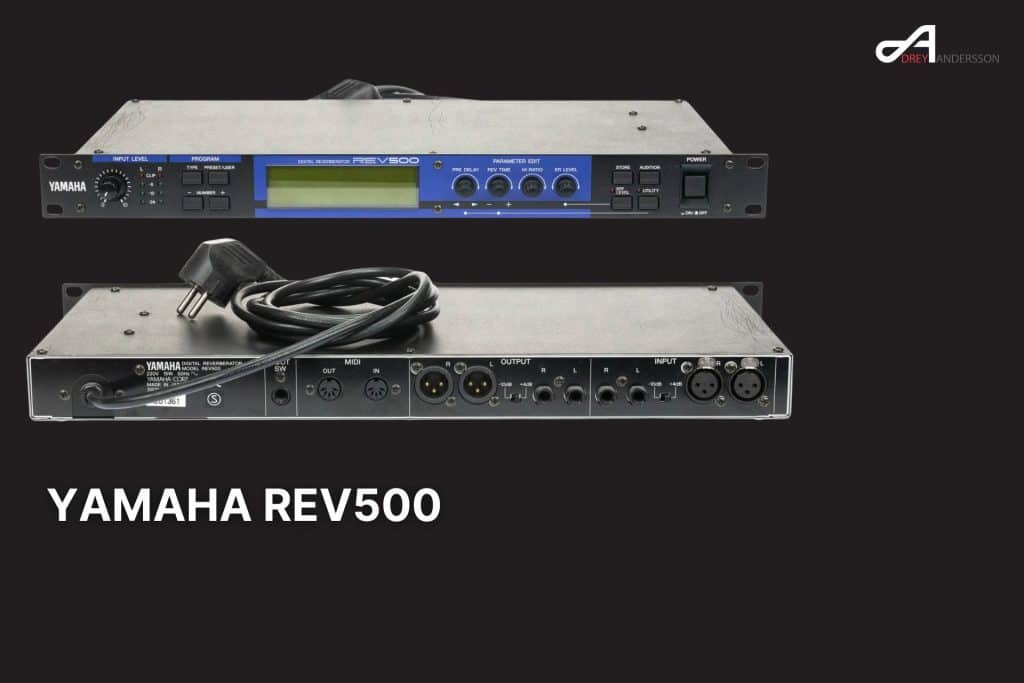
The Yamaha REV500 represents flagship digital reverb processing at an accessible price point, utilizing the same 32-bit custom LSI DSP technology as Yamaha’s professional ProR3 unit while delivering true stereo processing in a 1U rack format. Released in late 1997 at $399, this unit challenged industry leader Lexicon by offering professional-quality reverb algorithms with comprehensive MIDI automation and balanced I/O connectivity. The REV500 marked Yamaha’s successful entry into the sub-$500 professional reverb market, providing 20-bit oversampling conversion and 200 programs across four algorithmic categories. Its technical achievement lay in democratizing high-end DSP processing while maintaining the sonic quality and features expected in professional facilities.